Property managers rarely get a polite heads-up that wildlife has moved in. The first call usually comes from a tenant who heard scratching in the ceiling at 2 a.m., or from a maintenance tech who opened a utility chase and found raccoon prints on the fire caulk. In multifamily buildings, wildlife intrusions escalate faster and cost more than in single-family homes because small openings connect shared voids, odors move through shafts, and one mistake can affect dozens of households. Getting wildlife control right requires speed, discretion, and a plan that respects both the animals and the building’s systems.
I have spent years coordinating nuisance wildlife management in dense urban complexes and garden-style communities. The workable approach blends biology, building science, and old-fashioned property management discipline. What follows is a practical guide for owners, managers, and facility teams who want predictable outcomes from wildlife removal services.
Why multifamily buildings are uniquely vulnerable
Wild animals take what buildings offer. Multifamily communities tend to offer more of everything: more roofline, more penetrations, more trash handling, more landscaping that doubles as cover. Roof-to-wall intersections on three-story walk-ups are raccoon ladders. Open weep holes become mouse doors. Bird-friendly balconies invite roosting until guano corrodes railings and stains stucco.
Shared infrastructure amplifies small errors. A half-inch gap around a conduit on level three can become a squirrel highway to six adjacent units through a continuous soffit. Dryer vents with brittle louver covers create warm exhaust plumes that lure rodents, then route them into chase spaces. Trash rooms, loading docks, and compactor areas provide constant food cues unless the sanitation program is dialed in. Any pest wildlife removal effort that ignores mechanical pathways and housekeeping habits will fail within a season.
Human factors matter as much as building design. Tenants who feed feral cats near dumpsters, residents who store cardboard in balcony closets, or a porter who props a stairwell door for convenience can undo weeks of careful exclusion. Policies and communication stand shoulder to shoulder with the technical work.
What “humane, effective” really means
Wildlife pest control has guardrails that differ from general pest control. The goal is not just to eliminate a symptom, but to stop the cycle without creating collateral damage. Humane practices are not a nice-to-have; they prevent legal issues and reputational risk, and they often work better.
A humane program respects these realities. Animals come indoors because of pressure from weather, food scarcity, and shelter opportunities. Sealing entry points during the wrong season can trap dependent young. Poisoning rats in a mixed-use building can lead to carcasses in inaccessible voids, odor complaints, and blowflies in hallways. Relocation without addressing attractants invites new animals to take the vacated niche.
When I evaluate wildlife removal services, I look for companies that make wildlife exclusion services the centerpiece, with trapping and deterrents as tools, not the entire plan. A capable wildlife trapper is valuable, but if they do not carry a caulking gun, sheet metal brake, and masonry tools, they will be back in a month for the same raccoon.
Triage: when the phone rings
Calls come at odd hours and often feel urgent. A calm triage process prevents overreaction and avoids underestimating a real hazard. I keep a simple decision tree on the operations desk.
- If there is a breach into living space, or a bat was present in a sleeping area, notify management immediately and contact wildlife removal services with 24-hour response. Close doors to confine the animal, and do not attempt capture without proper PPE. If noises are reported above ceilings or in walls without direct entry into occupied space, schedule a same-day inspection for active hours, typically late afternoon or after sunset, depending on the species.
That short list is enough. The rest is communication and documentation: record exact unit numbers, the time noises were heard, any sightings, and whether food or pet feeding is present nearby. Photos from smartphones help more than you might expect. I have traced a roof rat path from a single smudged HVAC register in a photo to a gap in a gable-end return cavity.
Species profiles that matter in apartments
I have learned to think less about the species’ biology in isolation and more about how each interacts with building features and resident behavior.
Raccoons exploit roof defects and pet food. They favor roof returns and low-slope parapets where flashing ends sloppily. Look for muddy paw prints near downspouts. In high-density areas, raccoons learn compactor schedules. In spring, never seal an opening without verifying there are no kits inside. A thermal camera can help, but the better method is to watch the entry at dusk and dawn and listen for high-pitched chirps from the void.
Squirrels chew, then chew more. Soffits with vinyl fascia and long runs of attic ventilation allow squirrels to create multiple ports of entry. They will make circular openings the size of a tennis ball. Electrical risk is real. I have twice had arc-fault breakers tripped by gnawed low-voltage lines in corridors.
Roof rats travel by lines and edges. Their footprints show on dusty conduits and horizontal surfaces, and their droppings are spindle-shaped. They love palm trees near roofs and can enter through a half-inch gap around a utility penetration. Anything under a quarter inch is safe against rats, but not against mice.
Bats track microclimates. They fit through openings the width of a pencil and gravitate to warm voids along brick ledges and between roof sheathing and fascia. Legal frameworks apply. For many states, exclusion is prohibited during maternity season. You must identify species, confirm timing, and use one-way devices, then seal only after the colony vacates.
Pigeons and starlings create sanitation problems. Window sills, light wells, and rooftop HVAC curbs become roosts. Guano corrodes metal and creates slip hazards. Humane bird control leans on netting, spikes, shock track, and sanitation, not poisons. In occupied buildings, the optics of bird carcasses matter as much as the smell.
Skunks under slabs or porches occur more in garden-style communities. They love voids beneath stoops and utility pads. Sealing is the solution, but always install dig barriers and one-way doors correctly, or you will trap an animal and create a public-relations mess when odors spread.
Inspection that finds the real holes
A walkaround without tools is a courtesy, not an inspection. A real survey of a multifamily structure takes two to four hours for an average 100-unit garden-style building, more for podium or mid-rise. It runs from top to bottom, then bottom to top, and covers mechanical spaces along the way. I carry a headlamp, telescoping mirror, moisture meter, infrared thermometer, wire brush for removing oxidation before sealing, a notebook, and a camera.
Start at the roof. Check every roof-to-wall intersection and spot where different materials meet. Probe flashing terminations with a blunt tool. Look closely at corners where fascia meets parapet coping. Scan for bird nests in HVAC curbs and raccoon pull-backs at attic vents. Never walk past a utility penetration without looking for daylight.
Work down the exterior elevations. Look for gaps at gas lines, cable and fiber penetrations, dryer vents, and meter banks. Weep holes in brick veneer need protection but not blockage, so evaluate if you need weep hole covers instead of sealant.
Inspect ground-level opportunities. Compactor doors that do not close fully, rusted thresholds, propped service doors, and trash spillage invite rodents and raccoons. Landscaping matters: shrubs planted tight against siding create a private corridor. Palm fronds or tree limbs within 6 to 8 feet of rooflines are ladders.
Check common and mechanical spaces. Plenums, garbage chutes, elevator machine rooms, and boiler rooms connect to shafts where odors and animals travel. If you smell rodent urine, there is a route nearby.
Finally, listen to residents. The best clues often come from a casual chat in the lobby. People will tell you that the noises come at 4 a.m. or that they noticed droppings on the balcony last week. Patterns help determine species and timing.
Exclusion: the heart of wildlife control
Exclusion is the trade’s word for sealing buildings so animals cannot re-enter. Done properly, it is permanent and quiet. Done poorly, it becomes your seasonal to-do list.
Use the right materials. I rarely use foam alone for wildlife exclusion services. Animals chew through it, and UV wrecks it. Stainless steel mesh, 23- to 26-gauge sheet metal, concrete patch, hardware cloth, and proper vent covers are the workhorses. Quality sealants like polyurethane or high-grade silicone are fine when backing with mesh or metal.
Match the method to the animal. For rats, anything more than a quarter-inch gap is unacceptable. For bats, every linear inch matters. They will find the one missed pebble joint. For squirrels and raccoons, edges and corners need mechanical strength. I often fold sheet metal into a Z flashing that resists prying.
Sequence the work. Identify primary entry points and secondary gaps. Install one-way devices at active holes, leave them in place for a few days while monitoring with trail cameras or tracking patches, then close permanently only when you know the void is empty. A failed sequence traps animals, leading to odor complaints and strong tenant reactions.
Do not over-seal. Buildings need to breathe. Blocking a soffit vent without adding alternative ventilation solves one problem and creates moisture, mold, and comfort complaints. Work with your HVAC contractor when exclusion affects air pathways.
Trapping as a tool, not a strategy
A wildlife trapper earns their fee by knowing behavior and timing. For raccoons, I favor positive sets, meaning the trap is placed right over the entry/exit route, often on the roof or at the base of a downspout, rather than relying on bait to lure animals across a wide area. For squirrels, colony traps at roofline openings can resolve a group quickly.
Trapping works best when paired with immediate exclusion. Catch the animal, close the hole, and remove attractants the same day when possible. In my experience, extended trap deployments around multifamily buildings become maintenance headaches and public-relations liabilities. You want as few cages visible to residents as practical, and you want to avoid non-target captures like neighborhood cats.
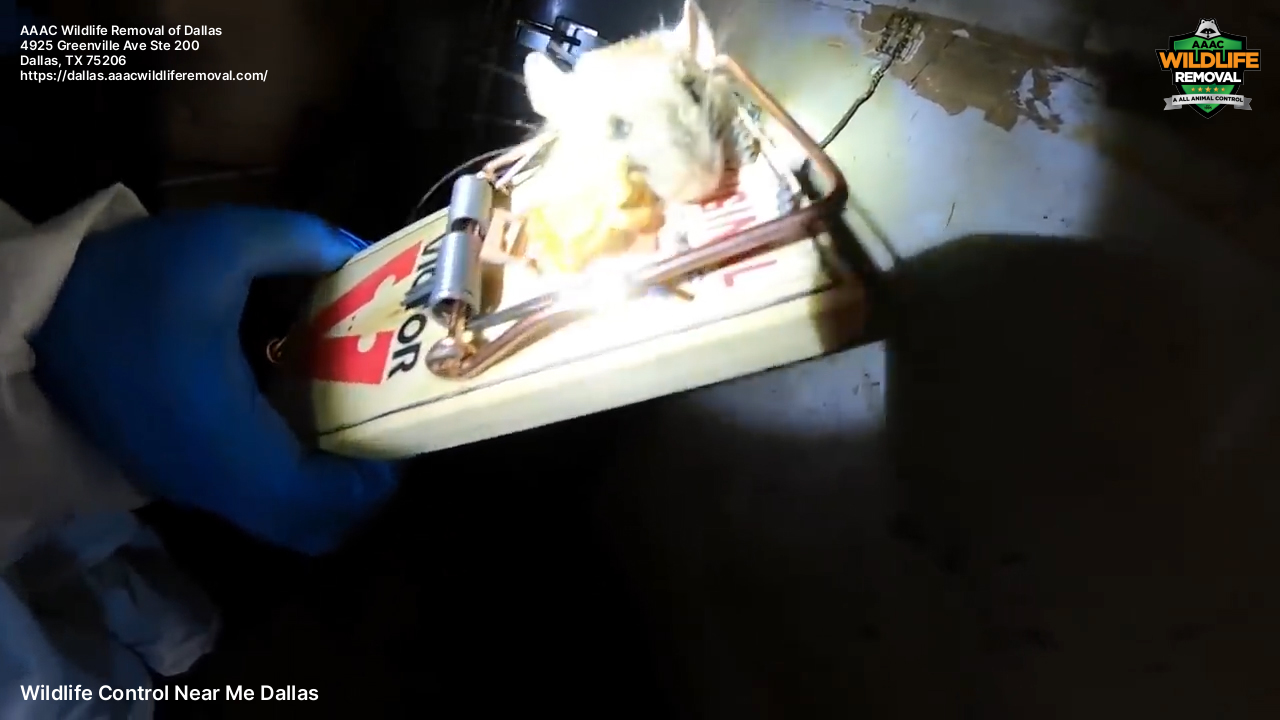
When dealing with rats or mice in multifamily settings, lethal control is sometimes necessary, but you must be strategic. Exterior bait stations can help reduce pressure, but they should not be your first or only step, and they require documentation and regular service. Inside living spaces, snap traps in locked, tamper-resistant stations are safer than rodenticides. After a building-wide exclusion program, I have seen rodent service calls drop by 70 to 90 percent within a quarter without continuous interior baiting.
Health, safety, and the regulatory layer
Wildlife brings pathogens and parasites: roundworm from raccoons, histoplasma associated with bird droppings, and rabies risk with bats. You need protocols that protect staff and residents.
Personal protective equipment is non-negotiable when cleaning droppings or contaminated insulation. That means respiratory protection appropriate to the task, eye protection, gloves, and disposable coveralls for heavy cleaning. Dry sweeping guano on a rooftop is a bad idea because spores go airborne; wet methods and HEPA vacuuming are safer.
Document everything. Maintain a log of wildlife control visits, species addressed, methods used, and any resident communication. Many states have specific rules for handling bats, relocation of certain animals, and use of poisons. Your wildlife control provider should know the local code and seasonality restrictions. Ask direct questions. A provider who cannot explain the bat maternity window in your region probably should not be installing one-way devices on your roof.
For multifamily housing with affordable or senior components, additional oversight may apply. Some housing authorities or lenders require integrated pest management plans that cover wildlife. Align your nuisance wildlife management approach with those requirements to avoid compliance headaches during audits.
Communication with residents that actually works
Residents want to feel safe, informed, and respected. They do not need a biology lecture, but they appreciate knowing what will happen and when. I avoid euphemisms. If we are addressing raccoons, we say so plainly. If there is a bat exposure in a unit, we coordinate with public health guidance and advise the resident on medical follow-up without causing panic.
Short, clear notices beat long memos. Include what residents should do, such as keeping windows closed at dusk during bat exclusion or removing balcony bird feeders for a set period. Provide a direct contact for questions, not a general voicemail abyss. After a successful exclusion, share the outcome briefly so residents see closure, not just silence.
Respect privacy and dignity. If a unit is messy and contributes to the issue, handle that conversation privately and professionally. Blasting warnings about a single apartment backfires.
Housekeeping, landscaping, and the sanitation triangle
Most wildlife problems in multifamily settings rest on a triangle: shelter, food, and water. Exclusion handles shelter. Housekeeping and landscaping handle food and water.
Trash handling is the first battleground. Compactor areas should be kept clean, doors self-closing, and bins never allowed to overflow. I have saved buildings thousands of dollars per year by adding a midweek overflow pickup during summer months when organics spike and odor attracts scavengers.
Landscaping choices matter. Dense shrubs flush against siding hide burrows and create animal highways. A 12 to 18-inch bare strip of decorative rock or clean soil around foundations reduces cover and makes inspections honest. Fruit-bearing trees and unharvested community gardens attract animals; plan harvest schedules and publicize them.
Water sources include irrigation leaks, HVAC condensate pooling, and low spots near spigots. Fix them quickly. Raccoons and rats will travel surprising distances for a reliable water source in dry months.

Coordination: property management and vendors as one team
Wildlife control succeeds when property managers, maintenance, and the wildlife vendor agree on scope and sequence. I like a simple cadence: a kickoff meeting, a weekly touch-base during active work, and a closeout with photos and a punch list. Require your provider to mark up a site plan with exclusion points and to photograph before and after conditions. The documentation will help justify cost and train new staff.
Maintenance teams can handle many exclusion tasks once trained. Replacing louvered dryer https://cashmqfk157.image-perth.org/why-entry-point-inspection-is-key-to-wildlife-removal vents with pest-resistant covers, installing door sweeps rated for rodents, and sealing around penetrations with mesh-backed sealant are within most maintenance skill sets. Reserve complex roof work, bat exclusion, and large-scale netting for specialists with the right insurance and training.
Procurement should weigh more than price. Ask for references from other multifamily clients, evidence of wildlife-specific training, proof of ladder and roof safety programs, and sample reports. You can test a vendor’s practical knowledge with a few targeted questions, like how they manage bat maternity season or how they handle one-way device failures.
Budgeting and the reality of cost
Wildlife work is lumpy. You might have light service for months, then a burst of roof exclusion after a storm. Smart budgeting includes a base retainer for inspection and monitoring, plus a contingency for project work. For a 200-unit garden-style community, I have seen annual wildlife control spend range from a few thousand dollars in low-pressure settings to mid-five figures when roofline exclusion becomes necessary. The return comes in fewer after-hours calls, less damage to insulation and wiring, and fewer resident move-outs triggered by repeated nuisance events.
If you need to stage the work, prioritize by risk and recurrence. Start with roofline entries that affect multiple stacks, then seal ground-level penetrations that connect to mechanical rooms, then handle unit-level penetrations as part of turn work. Building drift happens; insulation sags and wires get added. Plan for a brief annual reinspection, ideally before winter or the spring breeding season.
When pest control is not wildlife control
Many multifamily portfolios have long-standing relationships with pest control providers who handle roaches, ants, and bed bugs. That expertise does not automatically extend to wildlife. If your provider recommends foam-and-hope as the fix for rats, or suggests indiscriminate baiting without an exclusion plan, push pause. Wildlife control has its own standards, tools, and ethics. The best programs integrate both: general pest control for insects and sanitation, wildlife control for exclusion and species-specific tactics.
Training the on-site team
The strongest wildlife prevention tool is a maintenance tech with a keen eye. Short, hands-on training pays dividends. I teach three skills.
Recognize sign. Fresh droppings, rub marks, gnawing patterns, nesting materials, and grease trails each tell a story. Teach techs to photograph sign with a size reference, like a key or pen.
Spot the gaps. Any daylight around pipes, any missing escutcheon, any flexible siding piece pulled from its channel deserves attention. Over time, your team will develop a mental library of common failure points in your building types.
Escalate appropriately. Knowing when to tape off a space, when to call a wildlife trapper, and when to schedule routine sealing avoids both panic and complacency.
You do not need a weeklong seminar, just an hour on a roof and another hour around the compactor and service entries.
A brief case example
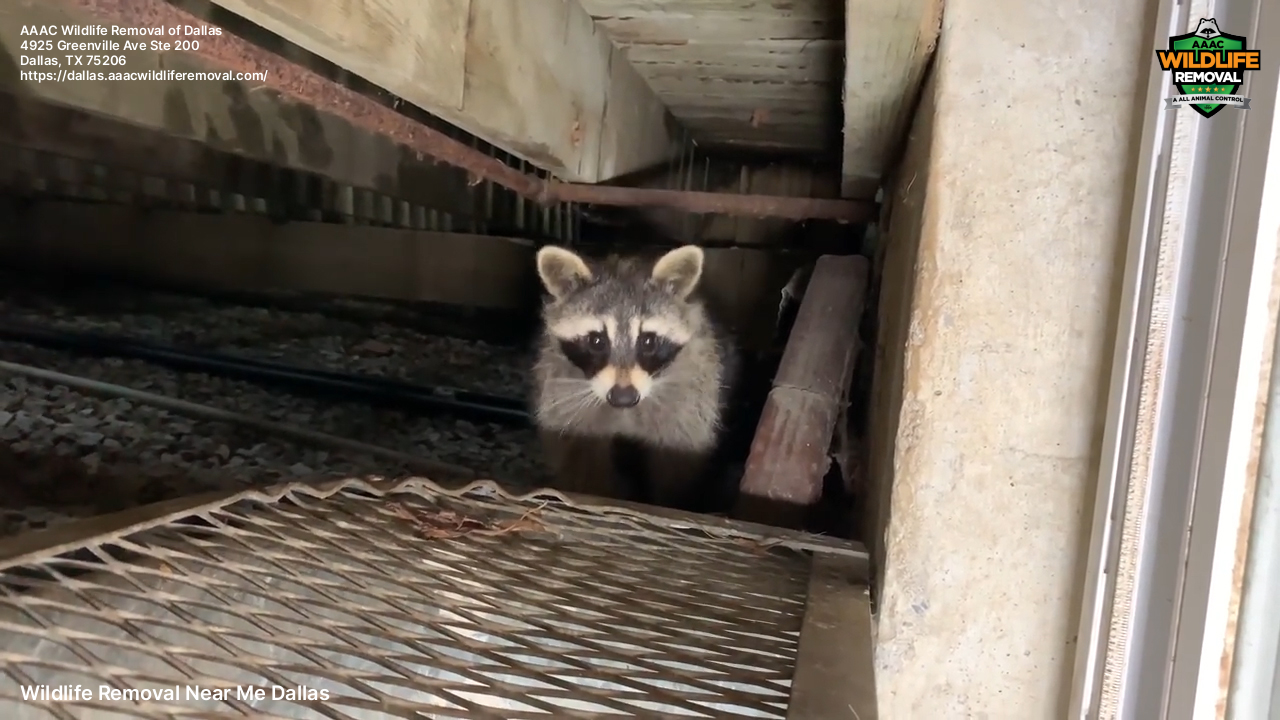
A 156-unit, three-story garden-style community called us after repeated complaints of scratching and one raccoon sighting on a balcony. Their pest control company had set traps on the ground for a month and caught two possums, not the target. During inspection, we found raccoon pull-backs on three ridge vents and an active entry at a roof return where a soffit panel was missing. We also noted palm fronds within arm’s length of the eaves and an overflowing compactor every Saturday.
We installed positive-set traps at the active entry points on the roof, monitored with trail cameras, and captured a lactating female the first night. That told us to pause sealing and locate kits. Thermal imaging and careful listening found them above a third-floor hallway. We cut a discrete access in a mechanical closet, removed the kits, reunited them with the mother off-site following local guidelines, then installed one-way doors at the roof entries for three nights. No further activity registered, so we sealed all roof returns with 26-gauge custom covers, added ridge vent guards, trimmed palms back 8 feet from the roofline, and coordinated with the waste hauler for an extra Saturday pickup during summer. We also added signage to end resident feeding near the compactor.
The building has been quiet for two seasons. Total cost was high for the first month, then wildlife line items dropped to near zero, offsetting part of the initial spend.
Selecting the right partner
Look for wildlife removal services that meet a few simple criteria. They should prioritize inspection and exclusion over indefinite trapping. They should provide detailed reports with photos and clear scopes of work. They should be comfortable on roofs and in code-restricted spaces, with appropriate insurance. Most of all, they should communicate clearly with your team and with residents when necessary. The best partners will tell you when not to proceed, such as during bat maternity periods, and they will plan around those constraints rather than pushing quick fixes.
A short, practical checklist
- Verify species before acting, then align tactics and timing to biology and law. Inspect roofline to foundation with tools, not just a walk-by, and document every gap over a quarter inch. Lead with wildlife exclusion services, using durable materials and correct sequencing with one-way devices. Coordinate housekeeping and landscaping changes that remove food and water cues. Communicate simply with residents, and train maintenance to recognize sign and escalate quickly.
Multifamily buildings are living systems. Wildlife control works best when it becomes part of the building’s normal rhythm: seasonal inspections, routine sealing during turns and capital projects, and waste handling that keeps odors low. When you take that approach, wildlife becomes a manageable facilities topic instead of a 2 a.m. emergency that drives residents to the leasing office with rolling suitcases.